Artikel:
Dietary fibre and healthy aging: how much do you really need?
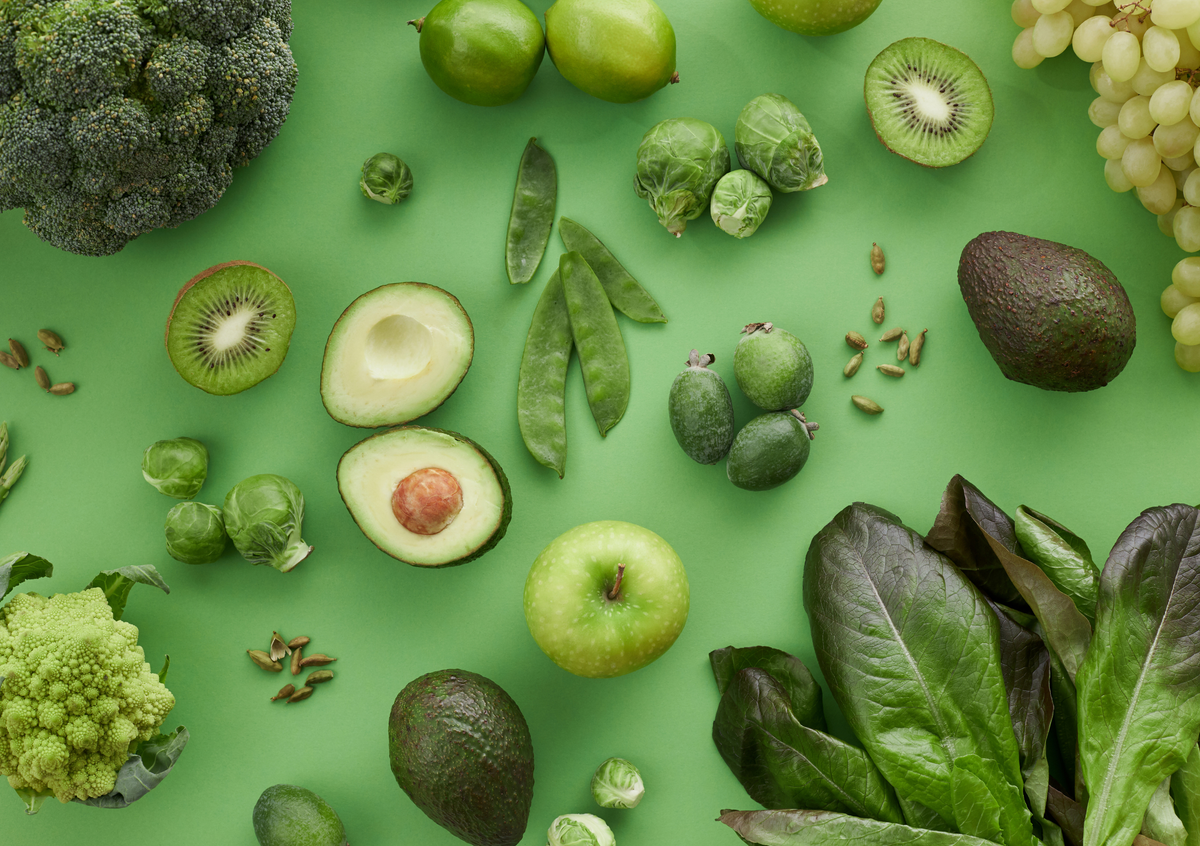
Dietary fibre and healthy aging: how much do you really need?
Dietary fibre is one of the most important components of a balanced diet, yet many adults consume less than recommended. While protein, vitamins and supplements often receive more attention, fibre has an established role in digestive health and is increasingly studied in relation to metabolic function, the gut microbiome and healthy ageing.
Unlike nutrients that are absorbed in the small intestine, dietary fibre passes through the digestive system largely undigested. Different types of fibre influence bowel function, nutrient absorption and interactions with gut bacteria, making adequate intake an important part of long-term nutritional health.
Why fibre matters beyond digestion
Dietary fibre is commonly associated with regular bowel movements, but its physiological role extends further. Certain types of soluble fibre absorb water and form a gel-like substance, which can slow nutrient absorption and influence glucose responses after meals. Other fibres increase stool bulk and help maintain normal bowel function.
Some fermentable fibres also provide a source of energy for beneficial gut bacteria. During fermentation, these microorganisms produce short-chain fatty acids, including butyrate, which is used by cells lining the large intestine. These mechanisms help explain why dietary fibre is relevant to gut and metabolic health. A systematic review published in The Lancet in 2019 found that higher dietary fibre intake was associated with lower risks of cardiovascular disease, type 2 diabetes and several other long-term health outcomes. These findings support fibre-rich dietary patterns, although they do not establish that fibre alone prevents disease.
How much fibre should you consume?
The European Food Safety Authority considers 25 grams of dietary fibre per day an adequate intake for normal bowel function in adults. The World Health Organization also recommends at least 25 grams of naturally occurring dietary fibre daily.
For most adults, reaching approximately 25-30 grams per day through a varied diet is a reasonable nutritional goal. However, increasing intake too quickly can cause bloating, gas and abdominal discomfort, particularly when the digestive system is not accustomed to large amounts of legumes, whole grains or seeds.
A gradual increase, supported by adequate fluid intake, is generally better tolerated. People with digestive disorders may need an individualised approach because different types of fibre can affect symptoms differently.
How to include more fibre in your diet
Improving fibre intake does not require major dietary changes. Oats, berries, vegetables, legumes, whole grains, nuts and seeds can provide meaningful amounts throughout the day. Including different plant foods is particularly valuable because they supply different types of fibre alongside vitamins, minerals and naturally occurring plant compounds.
For example, oats and berries at breakfast, legumes or whole grains at lunch, and vegetables with dinner can help increase total intake without relying on concentrated fibre supplements. Fibre supplements may be appropriate in certain circumstances, but whole foods should remain the main dietary foundation whenever possible.
Fibre as part of a healthy-ageing routine
Healthy ageing depends on several interconnected aspects of nutrition, including digestive health, metabolic function, cardiovascular health and adequate nutrient intake.
Dietary fibre contributes to this foundation, while other nutrients have their own established physiological roles. For example, EPA and DHA, the omega-3 fatty acids provided by L Cell Omega 3 Elite, contribute to normal heart function. DHA also contributes to the maintenance of normal brain function and vision.
Similarly, L Cell Magnesium Glycinate provides a source of magnesium, which contributes to normal energy-yielding metabolism, normal nervous system function and normal muscle function.
These supplements do not contain dietary fibre or replace fibre-rich foods. Their relevance lies in addressing different nutritional needs within a broader, structured approach to healthy ageing.
A consistent approach to fibre intake
Adequate fibre intake is not about consuming the highest possible amount. It is about maintaining a varied diet that provides sufficient fibre consistently and is well tolerated by the digestive system.
For long-term health, the most practical approach combines fibre-rich foods, adequate hydration, physical activity and attention to overall nutritional quality. These foundations remain important regardless of which additional supplements are included in a daily routine.
Food supplements should not be used as a substitute for a varied, balanced diet and a healthy lifestyle. This article is intended for educational purposes and does not provide medical advice.
Scientific sources
World Health Organization. (2023). Carbohydrate intake for adults and children: WHO guideline.
EFSA Panel on Dietetic Products, Nutrition and Allergies. (2010). Scientific Opinion on Dietary Reference Values for carbohydrates and dietary fibre. EFSA Journal.
Reynolds A et al. (2019). Carbohydrate quality and human health: a series of systematic reviews and meta-analyses. The Lancet.
Makki K et al. (2018). The Impact of Dietary Fiber on Gut Microbiota in Host Health and Disease. Cell Host & Microbe.
European Commission Regulation (EU) No 432/2012. Authorised health claims for magnesium, EPA and DHA, and DHA.
<div class="dynamic-checkout__content" id="dynamic-checkout-cart" data-shopify="dynamic-checkout-cart"> <shopify-accelerated-checkout-cart wallet-configs="[{"supports_subs":true,"supports_def_opts":false,"name":"shop_pay","wallet_params":{"shopId":73057599754,"merchantName":"L Cell","personalized":true}},{"supports_subs":true,"supports_def_opts":false,"name":"paypal","wallet_params":{"shopId":73057599754,"countryCode":"LT","merchantName":"L Cell","phoneRequired":true,"companyRequired":false,"shippingType":"shipping","shopifyPaymentsEnabled":true,"hasManagedSellingPlanState":false,"requiresBillingAgreement":false,"gatewayType":"CONNECTED","merchantId":"7N3C3TYAXNTK4","sdkUrl":"https://www.paypal.com/sdk/js?components=buttons\u0026commit=false\u0026currency=EUR\u0026locale=de_DE\u0026client-id=AexZEtAxk09Ncgj6FSWFFyGKbxxAZ_LTyJ2DPdJWl1YUlecinmc5AfIaRF2qYjWlusWahlzz6SVkY5Ci\u0026merchant-id=7N3C3TYAXNTK4\u0026intent=authorize","serviceableCountryCodes":["AC","AD","AE","AF","AG","AI","AL","AM","AO","AR","AT","AU","AW","AX","AZ","BA","BB","BD","BE","BF","BG","BH","BI","BJ","BL","BM","BN","BO","BQ","BR","BS","BT","BW","BY","BZ","CA","CC","CD","CF","CG","CH","CI","CK","CL","CM","CN","CO","CR","CV","CW","CX","CY","CZ","DE","DJ","DK","DM","DO","DZ","EC","EE","EG","EH","ER","ES","ET","FI","FJ","FK","FO","FR","GA","GB","GD","GE","GF","GG","GH","GI","GL","GM","GN","GP","GQ","GR","GS","GT","GW","GY","HK","HN","HR","HT","HU","ID","IE","IL","IM","IN","IO","IQ","IS","IT","JE","JM","JO","JP","KE","KG","KH","KI","KM","KN","KR","KW","KY","KZ","LA","LB","LC","LI","LK","LR","LS","LT","LU","LV","LY","MA","MC","MD","ME","MF","MG","MK","ML","MM","MN","MO","MQ","MR","MS","MT","MU","MV","MW","MX","MZ","NA","NC","NE","NF","NG","NI","NL","NO","NP","NR","NU","NZ","OM","PA","PE","PF","PG","PH","PK","PL","PM","PN","PS","PT","PY","QA","RE","RO","RS","RW","SA","SB","SC","SD","SE","SG","SH","SI","SJ","SK","SL","SM","SN","SO","SR","SS","ST","SV","SX","SZ","TA","TC","TD","TF","TG","TH","TJ","TK","TL","TM","TN","TO","TR","TT","TV","TW","TZ","UA","UG","UM","US","UY","UZ","VA","VC","VE","VG","VN","VU","WF","WS","XK","YE","YT","ZA","ZM","ZW"]}}]" access-token="f4115d6e76a0ecff9d111ccebb391403" buyer-country="AT" buyer-locale="de" buyer-currency="EUR" shop-id="73057599754" cart-id="bcb00de81d33d18a19ab9e0e3c4c7249" enabled-flags="["a1d1f9a1","f5afabb3","370070f3","b311f899"]" > <div class="wallet-button-wrapper"> <ul class='wallet-cart-grid wallet-cart-grid--skeleton' role="list" data-shopify-buttoncontainer="true"> <li data-testid='grid-cell' class='wallet-cart-button-container'><div class='wallet-cart-button wallet-cart-button__skeleton' role='button' disabled aria-hidden='true'> </div></li><li data-testid='grid-cell' class='wallet-cart-button-container'><div class='wallet-cart-button wallet-cart-button__skeleton' role='button' disabled aria-hidden='true'> </div></li> </ul> </div> </shopify-accelerated-checkout-cart> </div>




Hinterlasse einen Kommentar
Diese Website ist durch hCaptcha geschützt und es gelten die allgemeinen Geschäftsbedingungen und Datenschutzbestimmungen von hCaptcha.