

Artikel: Fibre and blood sugar: why gut health matters for metabolism?
Fibre and blood sugar: why gut health matters for metabolism?
Blood sugar regulation is often associated with reducing sugar intake, but the body's response to food depends on much more than the amount of sugar consumed. Dietary fibre, gut bacteria, muscle activity and insulin sensitivity all influence how glucose is absorbed and used.
Among these factors, fibre plays a particularly important role because it connects digestive function with metabolic health. Research increasingly highlights the relationship between dietary fibre, the gut microbiome and glucose regulation, making this a relevant topic for both everyday nutrition and healthy ageing.
How fibre influences blood sugar
After a meal, carbohydrates are broken down into glucose, which enters the bloodstream and becomes available for energy. A rise in blood glucose after eating is normal, but the composition of a meal can influence how quickly that rise occurs.
Certain soluble fibres absorb water and form a gel-like substance in the digestive tract, slowing digestion and glucose absorption. This can moderate the rise in blood glucose after meals, particularly when fibre is consumed as part of a balanced meal.
A 2025 systematic review and meta-analysis examining 51 clinical studies found that dietary fibre interventions were associated with modest improvements in fasting glucose and markers of insulin resistance among adults with overweight or obesity.
These findings reinforce the importance of carbohydrate quality, rather than focusing exclusively on the amount consumed.
The connection between fibre and gut bacteria
Dietary fibre also influences the gut microbiome, a complex community of microorganisms involved in digestion and metabolic processes.
Certain fibres are fermented by intestinal bacteria, producing short-chain fatty acids such as butyrate. These compounds participate in intestinal physiology and are being studied for their relationship with metabolic regulation.
However, not all fibres behave in the same way. Highly fermentable fibres may contribute to gas and bloating, particularly when intake increases too quickly.
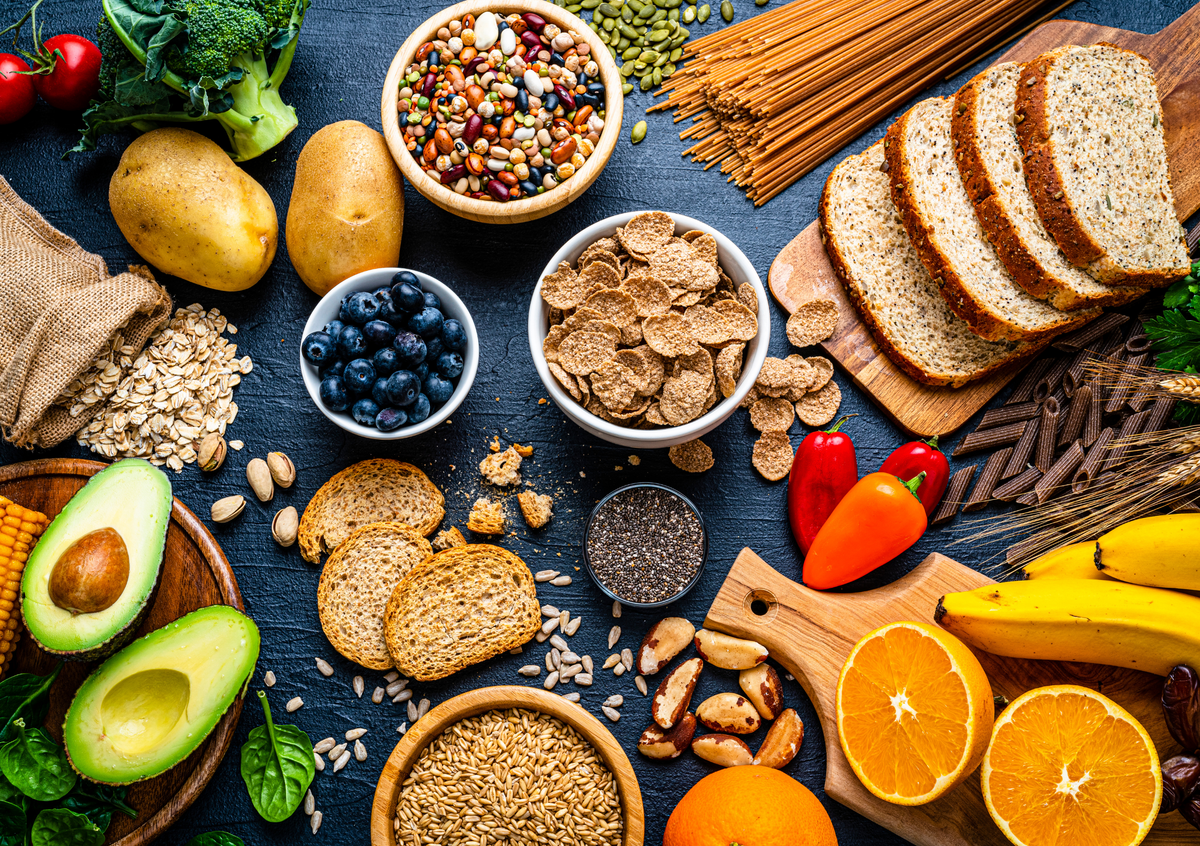
The World Health Organization recommends that adults consume at least 25 grams of naturally occurring dietary fibre daily. Vegetables, legumes, berries, whole grains, nuts and seeds are valuable sources, with dietary variety helping provide different types of fibre.
Berberine and metabolic research
Beyond dietary fibre, researchers are investigating plant compounds that interact with metabolic pathways involved in glucose regulation.
One of these compounds is berberine, a naturally occurring alkaloid found in several plants. It has been studied in relation to glucose metabolism, insulin-related markers and cellular energy regulation, including the AMPK signalling pathway.
A 2023 meta-analysis of 20 randomised clinical trials involving 1,761 participants reported changes in fasting glucose, insulin and other glycaemic markers following berberine supplementation. However, much of the research involves people with existing metabolic conditions, and the results cannot automatically be generalised to healthy individuals or every supplement formulation.
L Cell Berberine provides 600 mg of berberine per recommended daily serving, derived from Amur cork tree extract standardised to at least 98% berberine. The product is also independently laboratory tested for composition and purity.
Berberine should not be viewed as a substitute for dietary fibre or medical treatment. It is a research-relevant ingredient for people interested in metabolic biology, but its effects depend on individual circumstances, and its use requires attention to possible medication interactions and gastrointestinal side effects.
Building a balanced metabolic routine
Supporting metabolic health begins with dietary habits that can be maintained consistently. Eating sufficient fibre, combining carbohydrates with protein and other nutrient-rich foods, and maintaining regular physical activity are practical ways to support normal metabolic function.
Muscle is particularly important because it plays a central role in glucose uptake and energy use. Regular movement, including walking after meals and resistance training, therefore complements a fibre-rich diet.
When considering supplements, the priority should be ingredient quality, appropriate dosing, individual needs and the available scientific evidence rather than assuming that more products produce better results.
Fibre-rich nutrition remains a strong foundation for digestive and metabolic health, while compounds such as berberine represent an additional area of scientific investigation.
Food supplements should not replace a varied, balanced diet and a healthy lifestyle. This article is for educational purposes and does not provide medical advice. Berberine may interact with medication and cause gastrointestinal discomfort. It should be avoided during pregnancy and breastfeeding. People taking glucose-lowering medication or managing medical conditions should consult a healthcare professional before use.
Scientific sources
World Health Organization. (2023). Carbohydrate intake for adults and children: WHO guideline.
Colak H et al. (2025). Effects of isolated single fibers, fiber mixtures, and fiber-rich whole foods on glucose homeostasis in individuals with overweight and obesity: A systematic review and meta-analysis. Clinical Nutrition.
Zhao JV et al. (2023). Overall and Sex-Specific Effect of Berberine on Glycemic and Insulin-Related Traits: A Systematic Review and Meta-Analysis of Randomized Controlled Trials. The Journal of Nutrition.
Makki K et al. (2018). The Impact of Dietary Fiber on Gut Microbiota in Host Health and Disease. Cell Host & Microbe.
National Center for Complementary and Integrative Health. Berberine and Weight Loss: What You Need to Know.


Hinterlasse einen Kommentar
Diese Website ist durch hCaptcha geschützt und es gelten die allgemeinen Geschäftsbedingungen und Datenschutzbestimmungen von hCaptcha.